
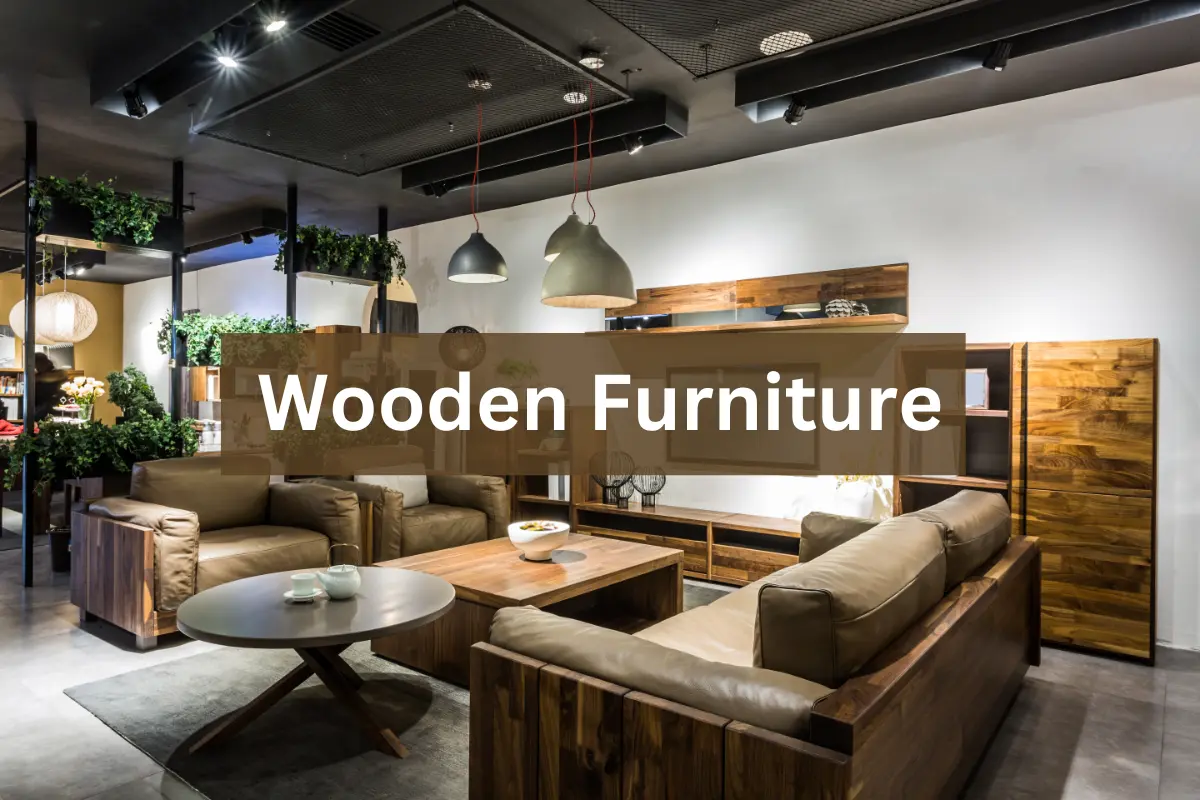
What are Different Types of WOOD for Furniture
The world of wood furniture is vast and varied, offering a multitude of options that cater to different tastes and needs. Whether for its aesthetic appeal, durability, or environmental benefits, wooden furniture remains a cherished choice in many homes and spaces.
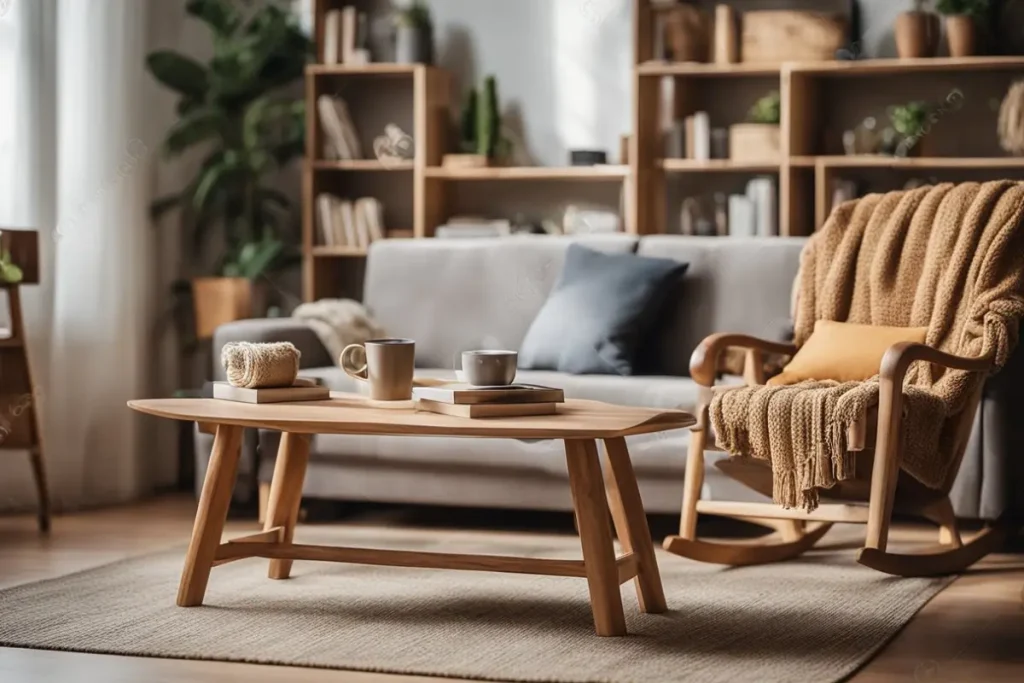
Understanding the different types of wood used in furniture can enhance one’s appreciation for these pieces while guiding informed purchasing decisions. Each type of wood brings its unique qualities, influencing factors like style, resilience, and cost.
1) Oak Dining Table
Oak is a popular choice for dining tables due to its strength and durability. It offers a timeless look with a classic grain pattern that suits various styles.
There are different types of oak used in furniture, with white oak and red oak being the most prevalent. White oak is known for its superior color, grain, texture, and water resistance.
Red oak presents a more open grain and a slightly reddish hue. This type of oak is widely available and is often used in traditional furniture styles.
Oak dining tables not only provide durability but also add aesthetic value. Their versatile appearance matches modern, rustic, and traditional settings, making them a staple in households.
Oak’s longevity and the ability to withstand wear make it a practical and elegant choice for busy dining spaces.
2) Walnut Coffee Table
Walnut coffee tables are well-regarded for their rich, dark color, often resembling chocolate or coffee. This wood provides an elegant and timeless look, making it a popular choice for high-end furniture. The grain of walnut is typically straight, but it can have waves and curls that add character and uniqueness to each piece.
Due to the rising price of solid walnut, many furniture makers are now using walnut veneers. While veneers are more affordable, they still maintain the classic appearance of walnut without sacrificing aesthetic quality. This allows buyers to enjoy the beauty of walnut at a lower cost.
Walnut wood is known for its strength and durability, making it an excellent choice for coffee tables that endure daily use. It can resist warping and bending, ensuring that the table maintains its shape over time. This durability makes walnut coffee tables a long-lasting investment for any home.
However, walnut wood can be sensitive to sunlight, which may cause it to fade if placed in direct sun for too long. To preserve the color, it’s advisable to position the table in a shaded area or apply proper wood finishes. Regular dusting and using coasters can also help maintain its condition.
3) Cherry Wood Bed Frame

Cherry wood bed frames are highly valued for their beauty and durability. This type of wood features warm tones and a rich, natural glow that improves with age. It is often used in various styles, such as platform and sleigh beds, reflecting both classic and contemporary designs.
The grain pattern of cherry wood is distinct, ranging from straight to wavy. This characteristic makes each bed frame unique. The wood can be stained to enhance its natural warmth and color, providing a high-end look. These qualities make cherry wood a popular choice for those seeking elegant and timeless bedroom furniture.
Cherry wood also offers strength and a smooth finish once properly treated. This durability ensures that bed frames made from cherry wood can last for many years. They are easy to maintain, requiring only regular dusting and occasional polishing to keep their shine.
Although cherry wood bed frames tend to be more expensive than those made from other types of wood, their long-lasting nature and classic appeal make them a worthy investment.
4) Mahogany Bookshelf

Mahogany bookshelves are a favorite among furniture enthusiasts due to their rich appearance and durability. Mahogany wood is typically reddish-brown, providing a warm and inviting look to any room. This type of wood is known for its fine grain and smooth texture, which enhances its elegance.
Mahogany is often chosen for bookshelves because of its strength. It can support heavy books without sagging, making it a practical choice for those who need reliable storage. The wood also resists wear, ensuring the bookshelf maintains its appearance over time.
Additionally, mahogany’s versatility allows it to be paired with various styles. Whether placed in a modern living room or a traditional study, a mahogany bookshelf adds a touch of sophistication. Its adaptability makes it appealing for different interior designs.
5) Maple Sideboard
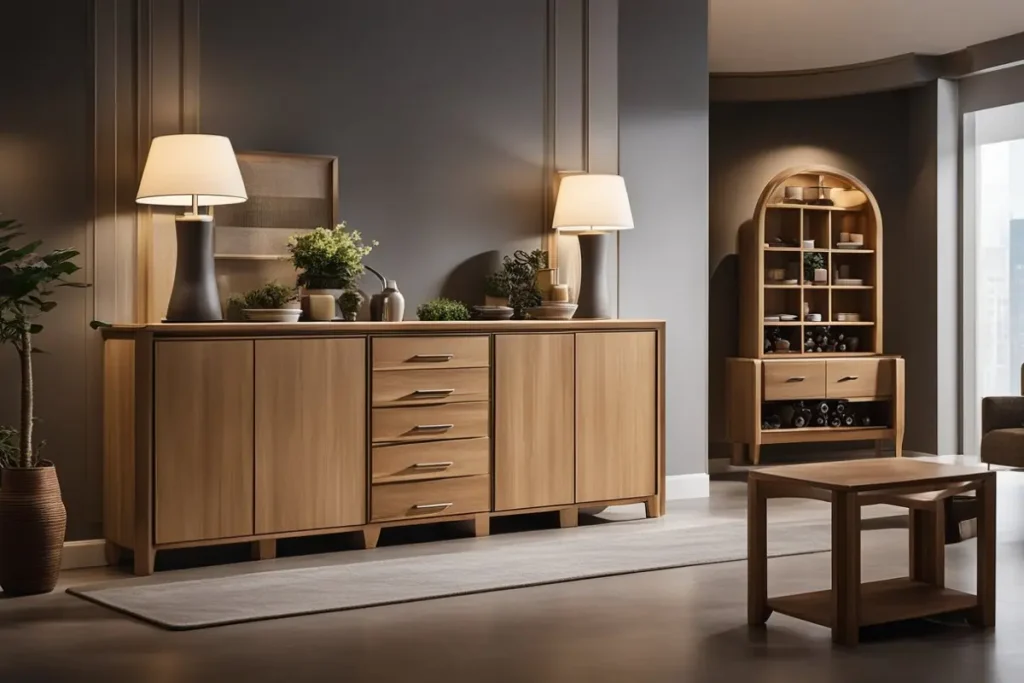
A maple sideboard is a popular choice for both traditional and modern homes due to its durability and appealing aesthetics. Maple wood is known for its smooth grain and light color, which can blend well in various room styles.
The sideboard often features drawers and cabinets, providing excellent storage for dining essentials. The natural variations in maple’s grain patterns make each piece unique, adding character to any room.
Some maple sideboards use wormy maple, which is appreciated for its rustic look. The small holes and streaks from beetle activity in wormy maple bring a distinct charm. Care for these sideboards can depend on the finish; oil finishes may cause yellowing, while lacquer or varnish typically require less maintenance.
6) Teak Outdoor Bench
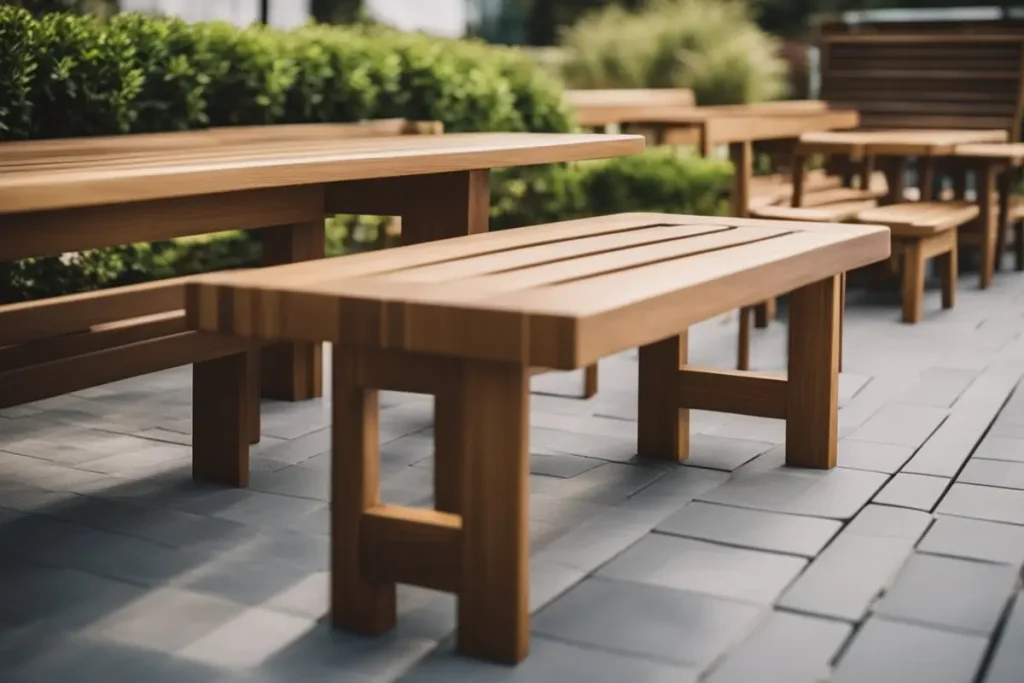
A teak outdoor bench combines elegance with resilience. This type of bench is often chosen for its durability and ability to withstand various weather conditions. The tight grain of teak wood not only provides strength but also adds a beautiful natural finish, ensuring it remains a favorite for outdoor settings.
Teak benches are highly popular in gardens and patios where they can be left out year-round with minimal maintenance. They resist warping, cracking, and rotting, even in harsh climates. Thanks to the natural oils present in teak, these benches are also resistant to pests and decay, further extending their lifespan.
One of the most significant advantages of a teak bench is its longevity. The wood can last up to 50 years, making it a valuable investment for any outdoor space. Over time, teak can develop a silver-gray patina, which is often appreciated for its aesthetic appeal.
In terms of design, teak benches offer a variety of styles ranging from classic to contemporary. They can blend seamlessly with different types of garden landscapes or patio setups, providing both function and charm. The timeless beauty and reliable performance of teak make it a top choice for outdoor furniture enthusiasts.
7) Birch Desk

Birch desks are known for their light color and fine grain, which can bring an elegant touch to any office or home.
The wood tends to range from pale brown to cream, with occasional hints of yellow tones.
This makes birch desks versatile, matching various interior styles and themes.
A birch desk is highly durable, which is beneficial for workspaces. Its strength originates from its classification as a hardwood, allowing it to withstand daily use without significant wear.
Additionally, birch wood’s stability ensures that the desk maintains its shape and quality over time.
However, there are potential challenges. Birch wood is prone to insect attacks and decay if not properly treated. Therefore, it’s important to use protective finishes and maintain the desk regularly.
This care can greatly enhance the desk’s longevity.
Birch desks also feature unique patterns, such as “spalting,” caused by fungi. This adds a unique aesthetic value to the desk, making it a standout piece in any room.
These patterns give character and individuality, attracting those looking for furniture with a distinct visual appeal.
8) Pine Wardrobe
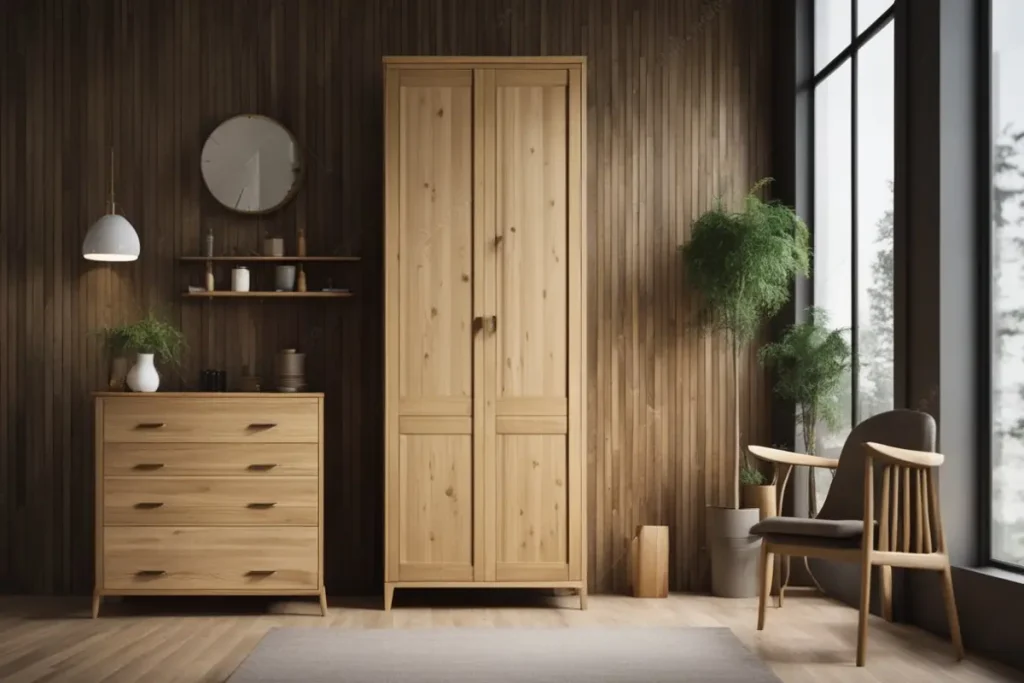
Pine wood is a popular choice for wardrobes due to its affordability and lightweight nature. It has a soft, pale appearance, often characterized by attractive knots that add a unique charm. This makes pine furniture suitable for those who want a rustic or country-style look in their home.
Pine wardrobes are often chosen for their cost-effectiveness. Compared to hardwoods like oak or teak, pine is less expensive, making it a good option for budget-conscious buyers. Despite its softness, with proper care, pine can last a long time.
One potential concern is that pine is not as durable as hardwoods. It can be more prone to dents and scratches, though this can add character over time. To maintain its look, regular maintenance is recommended, such as varnishing or waxing, to protect the wood from wear and tear.
For those interested in an airy feel, pine’s light color can brighten up a room. This makes pine wardrobes suitable for spaces that may feel cramped or dark, as they help create an open and inviting atmosphere. Pine wardrobes can also be painted or stained to match other furniture, offering versatility in design options.
9) Ebony Entertainment Center
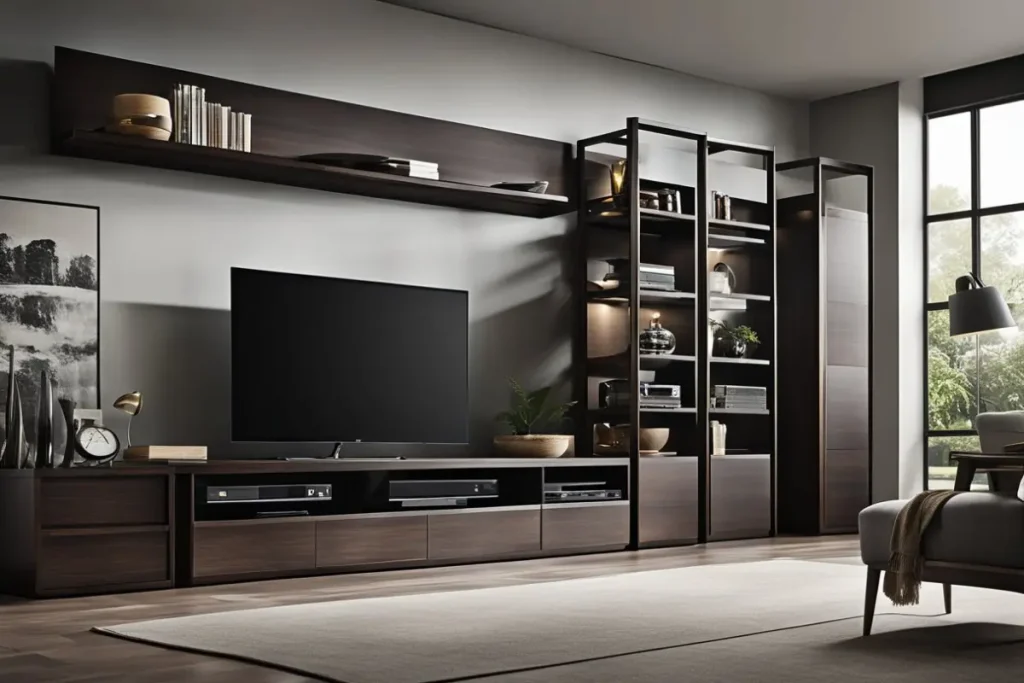
An ebony entertainment center is a luxurious option for your home. Ebony is known for its deep black color and strength. These features make it a popular choice for elegant and long-lasting furniture.
These entertainment centers add a touch of sophistication to living rooms. The rich color and smooth surface of ebony wood create an eye-catching focal point.
Ebony’s durability means it can hold heavy electronics and decorations without bending or breaking.
The wood offers both beauty and stability, making it ideal for custom designs.
However, because it is a rare and valuable wood, ebony can be more expensive than other materials.
10) Beech Kitchen Cabinet
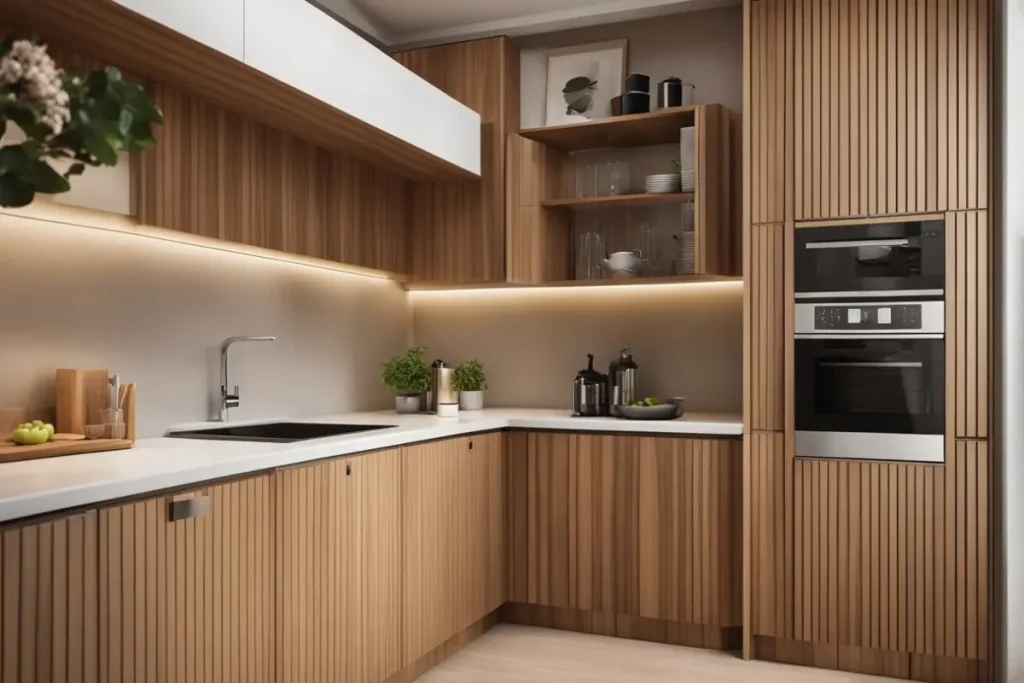
Beech kitchen cabinets are a popular choice for homeowners due to their durability and aesthetic appeal. Beech wood is favored for its strength and ability to withstand frequent use, making it ideal for cabinets that see daily activity.
This type of wood has a light color with pink or brown undertones, adding warmth to any kitchen setting. The straight grain pattern of beech wood adds to its appeal, often being compared to maple due to its similar appearance.
In terms of functionality, beechwood is also shock-resistant. This property adds to its value, ensuring that the cabinets endure everyday bumps and use without significant damage. When stained, beech wood can resemble other types like alder, offering a range of design options.
The cost of beech kitchen cabinets can vary. Material prices for wood cabinets range widely, and installation involves additional expenses. Despite these costs, beech wood remains a favored choice for its combination of beauty and durability in kitchen settings.
Understanding Types of Wood
Wood is a versatile material used in furniture making, defined mainly by its type: hardwood or softwood. Additionally, it’s essential to consider sustainability to ensure environmentally friendly choices.

Hardwood vs Softwood
Hardwood comes from deciduous trees like oak, maple, and walnut. These trees lose their leaves annually. Features such as durability and a dense grain structure make hardwoods ideal for furniture and flooring. Hardwoods tend to be heavier and more resistant to wear over time.
Softwood comes from coniferous trees such as pine, fir, and cedar. These trees usually remain evergreen. Softwoods grow faster, which makes them generally more available and less expensive. They are easier to cut and shape, though they may dent more easily compared to hardwoods.
Comparison List:
- Hardwood:
- Examples: Oak, Maple, Walnut
- Properties: Durable, dense
- Common Use: Furniture, flooring
- Softwood:
- Examples: Pine, Fir, Cedar
- Properties: Lightweight, easy to work with
- Common Use: Less expensive furniture, building materials
Sustainability Considerations
When choosing wood for furniture, sustainability is crucial. Look for certifications such as FSC (Forest Stewardship Council), which ensures responsible forestry. Reclaimed wood is another sustainable option, as it repurposes previously used materials, reducing the need for fresh timber.
Sustainable practices involve opting for wood from well-managed forests that help preserve ecosystems and reduce deforestation. Consumers can reduce their environmental impact by choosing furniture made from sustainably sourced woods and supporting companies with eco-friendly practices.
Sustainable Wood List:
- FSC Certified: Ensures responsible sourcing
- Reclaimed Wood: Reuses materials, eco-friendly
- Bamboo: Fast-growing, renewable
Understanding these aspects helps in making informed choices for long-lasting and environmentally friendly wood furniture.
Selecting Wood for Furniture
Selecting the right wood for furniture is crucial because it affects both the lifespan and the appearance of the furniture piece. Various types of wood offer different strengths and visual appeals, making the choice significant for durability and aesthetics.
Durability and Maintenance
Durability is one of the most important factors when selecting wood for furniture. Hardwoods like oak, maple, and cherry are known for their strength and longevity. Oak is especially popular for its resistance to wear, offering a classic, strong option. Maple is even harder and resists scratches and dents effectively. Cherry offers additional resilience, particularly in terms of bending strength.
Maintenance for durable woods generally involves regular dusting and the occasional application of furniture polish. Woods like teak are naturally resistant to decay and pests, making them low-maintenance options. On the other hand, softer woods like pine may require more care to prevent dents and scratches. Sealing and finishing can add extra layers of protection and make maintenance easier.
Aesthetic Qualities
The aesthetic quality of wood strongly influences the overall look of furniture pieces. Cherry wood is famous for its rich, warm tones that deepen with age, making it a favorite for elegant pieces. Maple offers a lighter, cleaner look that suits modern furnishings. Walnut brings a dark, luxurious tone, ideal for formal settings.
Grain patterns also play a role in aesthetics. Oak has a prominent grain that adds texture and character. Mahogany offers a fine, straight grain suitable for polished and refined furniture. When choosing wood, considering the room’s existing decor can help in finalizing the right aesthetic choice. Stains and finishes can further enhance the natural beauty of each wood type.
FAQs
What are the characteristics of different wood types used in furniture?
- Oak: Known for its strength and grain patterns.
- Walnut: Offers rich color and smooth texture.
- Cherry: Darkens with age, providing a warm finish.
How can one identify the type of wood used in an existing piece of furniture?
- Inspect the Grain: Different woods have unique grain patterns.
- Check Weight: Hardwoods like oak and cherry are heavier.
- Consider Color: Some woods have distinctive hues, such as walnut’s rich brown.
What are the most popular types of wood for crafting durable furniture?
- Teak: High fire resistance and durability.
- Mahogany: Resistant to swelling and warping.
- Maple: Hard and shock-resistant.
What are the affordable wood options for furniture making?
- Pine: Lightweight and inexpensive.
- MDF: Made from wood fibers; budget-friendly.
- Birch: Offers a middle ground between strength and cost.
How does the wood type affect the longevity and quality of furniture?
Durable woods like teak and oak enhance longevity, while softer woods might wear earlier. The choice of wood affects resistance to elements and everyday use, impacting overall durability.
What are the advantages and disadvantages of various wood types in furniture design?
- Hardwoods (e.g., oak, walnut): Durable and attractive but costlier.
- Softwoods (e.g., pine, cedar): More affordable; less durable.
- Engineered woods (e.g., MDF): Budget-friendly with varied aesthetic options but may not last as long as solid woods.
FURTHER READING


